Concrete Driveways
REQUEST A QUOTE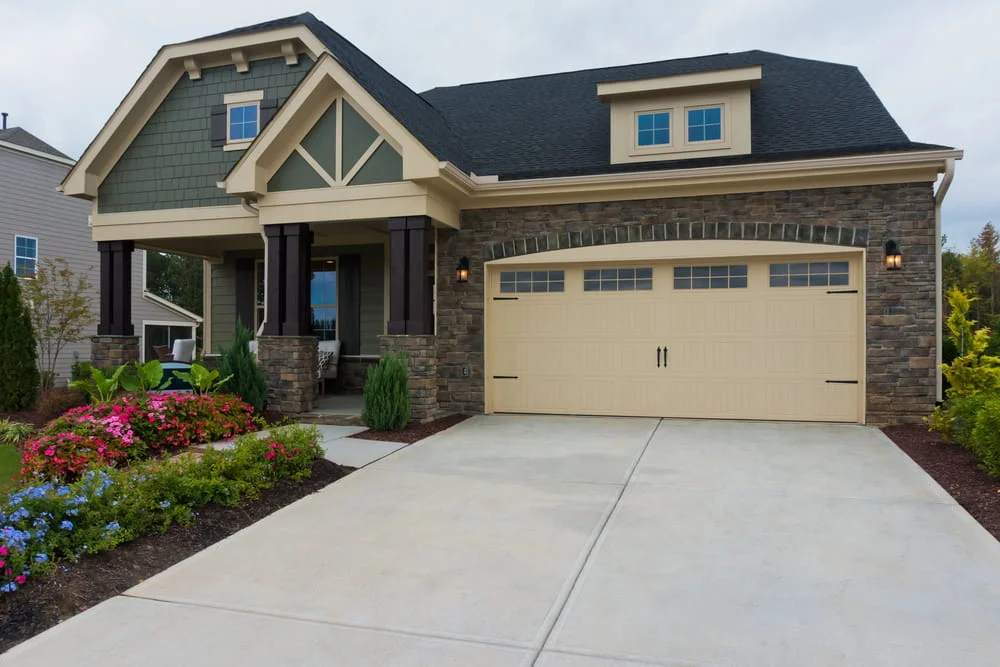
A concrete driveway is a long-term investment. Done right, it will outlast your car, your roof, and probably your interest in yard work. Done wrong, you will be staring at cracks and wondering what went wrong within a few years.
At Shamblin Paving, we install concrete driveways for homeowners throughout Aurora, and the surrounding Kane County communities. We understand what it takes to build a driveway that holds up to Illinois winters, heavy vehicles, and decades of daily use.
Why Concrete Works for Aurora Driveways
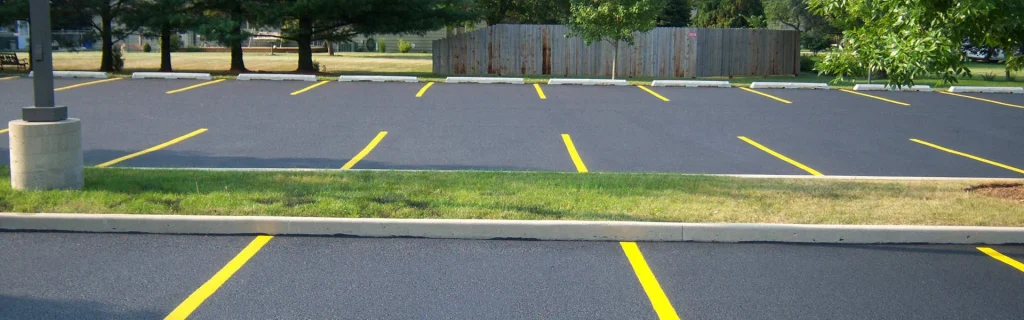
Sealcoating is an important part of parking lot maintenance for good reason. It provides several benefits when applied correctly by professional asphalt contractors.
At Shamblin Paving, we have been sealcoating commercial parking lots throughout Aurora, IL for more than 10 years. From preparing and cleaning lots to repairing deeper cracks and applying sealcoating, our 5-star commercial paving company provides first-class service, solutions, and results for every sealcoating project we handle.
Whether you need an expert to evaluate your parking lot maintenance needs or it’s time to schedule sealcoating service, Shamblin Paving is ready to help you!
Concrete vs. Asphalt: Making the Right Choice
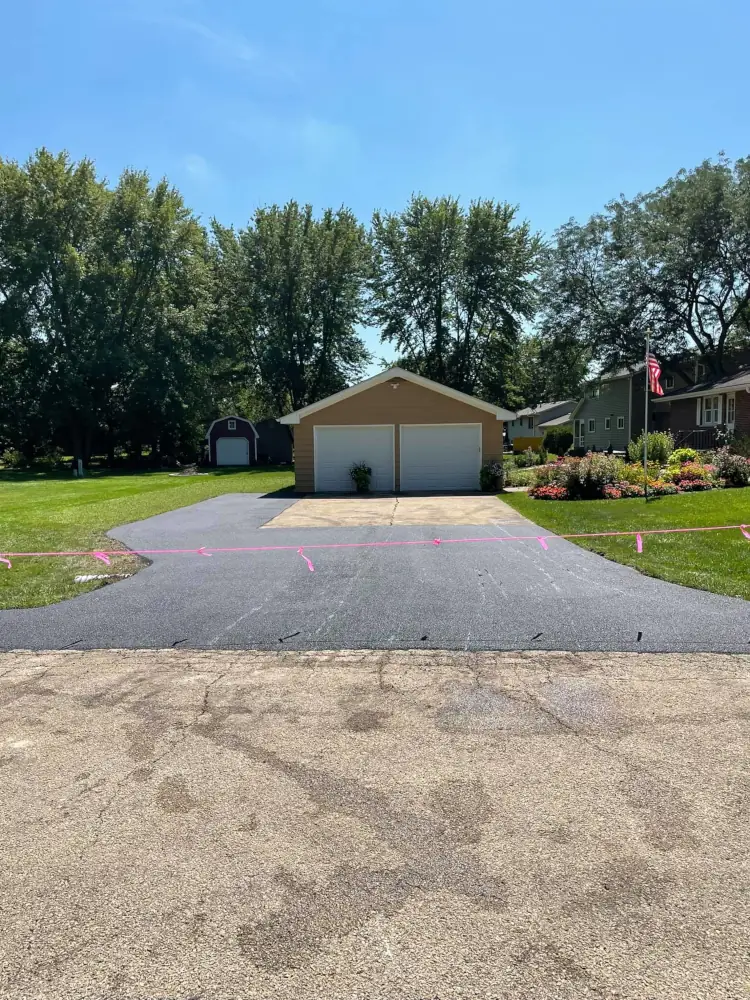
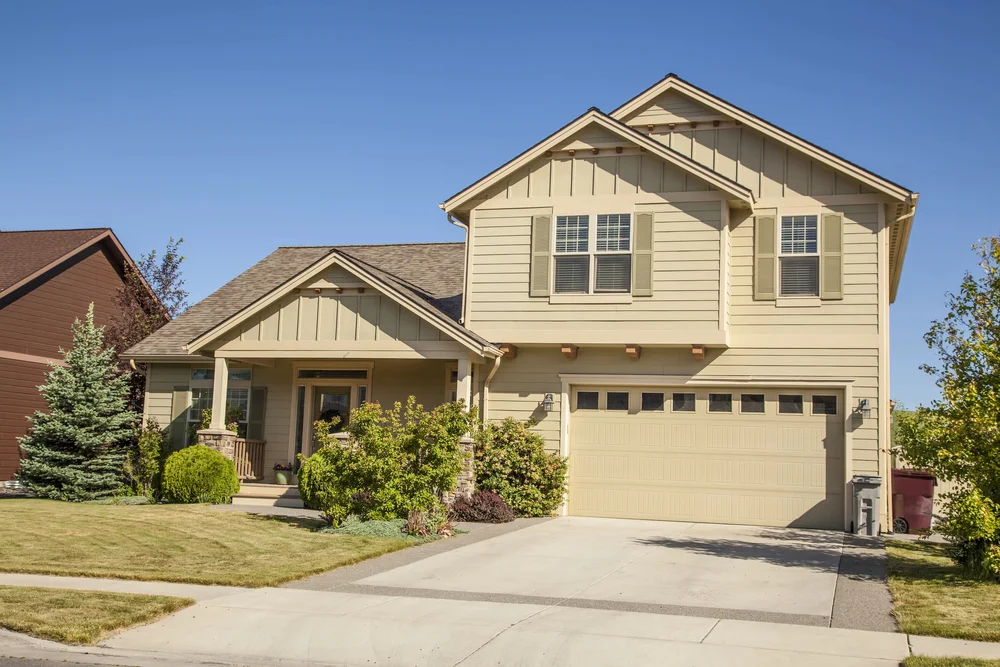
Both materials work for driveways. The right choice depends on your priorities, budget, and how long you plan to stay in your home. We have a detailed breakdown in our concrete vs. asphalt comparison.
For homeowners planning to stay long-term, concrete typically offers better value despite the higher upfront cost. The reduced maintenance and longer lifespan offset the initial investment over time.
Driveway Design Considerations
Thickness. Residential driveways typically require 4 inches of concrete. For heavier loads or commercial applications, we may recommend 5 or 6.
inches. Slope. Driveways should slope away from the garage at a minimum of 1/8 inch per foot for drainage. We design slopes that move water effectively without creating runoff problems elsewhere.
Apron connection. The transition from your driveway to the street requires coordination with local requirements. In Aurora, driveway aprons that connect to public right-of-way require a permit.Here goes your text ... Select any part of your text to access the formatting toolbar.
Call 630-448-4411 For a Free Estimate
What Makes a Concrete Driveway Last
The difference between a concrete driveway that lasts 30 years and one that cracks within 5 comes down to a few key factors. When evaluating contractors or planning your project, these are the things that matter most.
Proper Base Preparation
Concrete is only as good as what is underneath it. In Kane County, our clay-heavy soils hold moisture and shift with freeze-thaw cycles. A well-prepared base with proper drainage keeps the slab stable and prevents the movement that leads to cracking. Skipping this step is the most common reason driveways fail early.
Appropriate Thickness
Residential driveways typically need 4 inches of concrete minimum. If you park heavy vehicles, trailers, or equipment on your driveway, 5 or 6 inches may be warranted. Cutting thickness to save money upfront usually costs more in repairs down the road.
Control Joints
Concrete shrinks as it cures and moves with temperature changes. It will crack. The question is whether those cracks happen randomly across the surface or along neat, predetermined lines. Properly spaced control joints direct cracking where you want it, keeping your driveway looking clean.
Quality Materials
The concrete mix matters. A minimum 4,000 PSI mix with air entrainment handles our freeze-thaw cycles better than cheaper alternatives. This is not the place to cut corners.
Timing and Curing
Concrete needs time to develop strength, and the curing process is sensitive to temperature and moisture. Pouring in extreme heat, cold, or rain creates problems. Proper curing practices in the days after placement make a significant difference in long-term performance.
Working with Kane County Soils
The soils around Aurora are predominantly silty clay loams, part of the Drummer series that covers much of northern Illinois. These soils present specific challenges for concrete work:
Moisture retention. Clay soils hold water, which can lead to frost heave if drainage is not addressed. Our base preparation and grading ensure water moves away from the slab.
Expansion and contraction. Clay soils expand when wet and shrink when dry. This movement can stress concrete from below. A proper aggregate base isolates the slab from direct contact with expansive soil.
Compaction requirements. Clay soils must be properly compacted before base installation. We verify subgrade conditions and address any soft spots before proceeding.
Get a Quote for Your Concrete Driveway